Glow Up Skincare routines that make sense

Skincare routines that make sense.

Curated by the Glow Up team.

10 ROUTINES
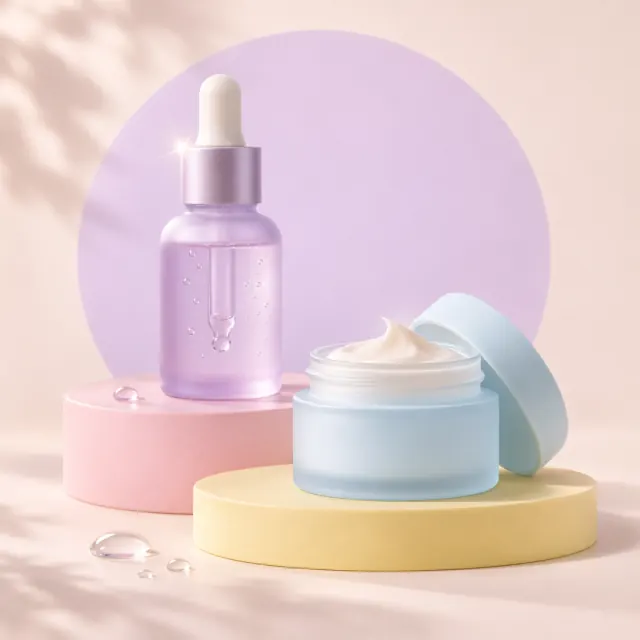
A lilac serum dropper bottle and a pale blue cream jar on pastel pedestals
SKINCARE THAT GETS YOU

Your skin.
Your rules.
Your glow-up.

Simple routines. Smart ingredients. Step-by-step guidance from the Glow Up team.

ROUTINE OF THE WEEK · BY THE GLOW UP TEAM

Fade & Even

Marks left by old breakouts, sun spots or patchy darker areas that do not fade on their own.

Vitamin C and tranexamic acid work on uneven tone by day, under daily SPF. Alpha arbutin and niacinamide keep fading marks gently overnight.

AMGentle cleanse → Vitamin C → Tranexamic Acid → Zinc Oxide
PMGentle cleanse → Alpha Arbutin → Niacinamide → Ceramides
See the steps4 steps · 4 minEasy
Glow UpConcerns
SKIN CONCERN
How to get rid of blackheads: routine & ingredients

Blackheads are pores that fill with oil and dead skin cells. The top of the plug darkens when it meets air, so it is not dirt.

Blackheads & large pores
Signs you might notice
  • You might notice small dark dots on the nose, chin or forehead.
  • You might notice pores that look larger or stretched, often where skin is oilier.
  • You might notice rough, bumpy skin that feels gritty to the touch.
Blackheads & large pores
Ingredients that help
Salicylic Acid
It is oil-soluble, so it can slip into pores and loosen the plug that forms a blackhead.
Niacinamide
It helps balance oil and softens the look of pores, and it is easy to use every day.
Adapalene
This retinoid helps stop pores clogging in the first place.
Blackheads & large pores
What to avoid
  • Scrubbing, harsh brushes and pore strips. They can irritate skin and do not stop blackheads coming back.
  • Squeezing blackheads at home, which can cause marks, scars and more inflammation.
  • Skipping moisturizer. Dry, irritated skin can make more oil and more clogged pores.
ROUTINE FOR YOU
Blackheads & large pores
Morning routine
Gentle cleanse → Niacinamide → Ceramides → Zinc Oxide
Evening routine
Gentle cleanse → Salicylic Acid → Ceramides

How to get rid of blackheads: routine & ingredients

Blackheads are pores that fill with oil and dead skin cells. The top of the plug darkens when it meets air, so it is not dirt. Pores cannot shrink, but keeping them clear can make them look smaller. A gentle routine with one main active works best, and it needs a few weeks.

More
Glow UpComparisons
THIS OR THAT
Vitamin C vs Retinol

They do different jobs at different times of day. Vitamin C protects and brightens in the morning, and retinol renews skin at night.

Vitamin C vs Retinol
How they differ
  • Vitamin C is an antioxidant. It helps protect against daily sun and pollution damage and fades the look of dark spots.
  • Retinol speeds up skin renewal, which helps with fine lines, rough texture and breakouts.
  • Vitamin C goes on in the morning, under SPF. Retinol goes on at night.
THIS OR THAT
Vitamin C

Start with vitamin C if dullness, dark spots and daily protection matter most to you.

THIS OR THAT
Retinol

Start with retinol if fine lines, rough texture or breakouts bother you most.

Vitamin C vs Retinol
Can you use both?

Yes, but not in the same routine. Use vitamin C in the morning and retinol at night, and add them one at a time.

Vitamin C vs Retinol

They do different jobs at different times of day. Vitamin C protects and brightens in the morning, and retinol renews skin at night. If you can only start one, choose by your main goal.

More
Glow UpTips
QUICK TIP
Peptides

Results are subtle and build over weeks. Think steady glow-up, not overnight miracle.

Firm
Peptides

Tiny messengers that nudge skin toward a bouncier, smoother look over time.

When
AM + PM
Strength
1–5%

Peptides

Results are subtle and build over weeks. Think steady glow-up, not overnight miracle.

More
Glow UpGuide
ROUTINE BASICS
Tone (optional)

A water-based layer of hydration, not a harsh astringent.

Tone (optional)
Why

It adds a little moisture and helps the next step sink in. Skip it if you want a shorter routine. Nothing will break.

Tone (optional)
When to use it
AM
A hydrating toner is plenty.
PM
Same toner, or skip it on nights you use an acid.

Tone (optional)

A water-based layer of hydration, not a harsh astringent.

More
GLOW UP FOR IPHONE

Take your routine with you.

Our routines, daily reminders and the full ingredient guide, right in your pocket. Free on iPhone.

A hand holding a small lilac serum bottle
Free on iOS. Browse everything here first, then take it with you.
Glow UpRoutines
ROUTINE
4 steps · 4 min
Fade & Even

Marks left by old breakouts, sun spots or patchy darker areas that do not fade on their own.

Dark spots, uneven tone
Why

Vitamin C and tranexamic acid work on uneven tone by day, under daily SPF. Alpha arbutin and niacinamide keep fading marks gently overnight.

AM
Morning routine
  1. Gentle cleanse
  2. Vitamin C
  3. Tranexamic Acid
  4. Zinc Oxide
PM
Evening routine
  1. Gentle cleanse
  2. Alpha Arbutin
  3. Niacinamide
  4. Ceramides

Fade & Even

Vitamin C and tranexamic acid work on uneven tone by day, under daily SPF. Alpha arbutin and niacinamide keep fading marks gently overnight.

More
Glow UpMix guide
CAN YOU MIX THEM?
Great together
Can you use glycolic acid and squalane together?

Yes. Squalane softens and seals skin after glycolic acid exfoliates.

Glycolic Acid + Squalane
Why

Glycolic acid sweeps away dull surface cells and can leave skin dry or sensitive. Squalane is a light plant oil that softens skin and locks in moisture without feeling greasy.

Glycolic Acid + Squalane
Your plan
  • Night: cleanse, glycolic acid (1 to 2 nights a week), a few drops of squalane, moisturizer.
  • Other nights: just squalane and moisturizer.
  • Wear SPF every morning.
Glycolic Acid + Squalane
What to watch for

Do not put squalane on first, since oil can reduce how well the acid works. If skin stings, pause the acid and keep the squalane.

Glycolic Acid + Squalane

Yes. Squalane softens and seals skin after glycolic acid exfoliates.

More
Glow UpIngredients
Exfoliate
PM
Lactic Acid

The cuddly AHA: exfoliates and hydrates, so it’s a good first acid.

Lactic Acid
Who it suits
Skin types
Dry, Combination, Normal
Concerns
Dullness, Texture, Dehydration, Dark spots
Lactic Acid
When to use it
When
PM
Strength
5–10%
Lactic Acid
Don’t mix with
  • Retinol
  • Glycolic Acid
  • Salicylic Acid
  • Mandelic Acid
  • Benzoyl Peroxide
  • Tretinoin
Lactic Acid
Pairs well with
  • Hyaluronic Acid
  • Ceramides
  • Panthenol
  • Squalane
  • Urea
QUICK TIP
Lactic Acid

Start at 5% once or twice a week. It’s one of the gentlest ways into exfoliating acids.

Lactic Acid

The cuddly AHA: exfoliates and hydrates, so it’s a good first acid.

More
Glow UpMix guide
CAN YOU MIX THEM?
Great together
Can you use azelaic acid and peptides together?

Yes. They are both gentle, and they can share a morning or evening routine.

Azelaic Acid + Peptides
Why

Azelaic acid calms redness, clears blemishes and fades marks. Peptides help skin look firmer and smoother over time. They do different jobs and do not interfere with each other.

Azelaic Acid + Peptides
Your plan
  • Morning: cleanse, azelaic acid, peptides, moisturizer, SPF.
  • Night: cleanse, peptides, moisturizer, with azelaic acid if you want it twice a day.
  • Start azelaic acid once a day and build up slowly.
Azelaic Acid + Peptides
What to watch for

Some tingling from azelaic acid is normal early on. Peptides take weeks to show. Judge after 8 to 12 weeks, and not before.

Azelaic Acid + Peptides

Yes. They are both gentle, and they can share a morning or evening routine.

More
Glow UpTips
QUICK TIP
Ceramides

Look for ceramide NP, AP and EOP alongside cholesterol and fatty acids for the full barrier effect.

Barrier
Ceramides

Skin’s own mortar: rebuilds the barrier so moisture stays in and irritants stay out.

When
AM + PM
Strength
0.2–2%

Ceramides

Look for ceramide NP, AP and EOP alongside cholesterol and fatty acids for the full barrier effect.

More
Glow UpMix guide
CAN YOU MIX THEM?
Great together
Can you use adapalene and azelaic acid together?

Yes. Many people use azelaic acid in the morning and adapalene at night.

Adapalene + Azelaic Acid
Why

Adapalene is a retinoid that clears pores and prevents breakouts, and azelaic acid calms redness and fades the marks breakouts leave behind. They tackle acne from different angles.

Adapalene + Azelaic Acid
Your plan
  • Morning: cleanse, azelaic acid, moisturizer, SPF.
  • Night: cleanse, a thin layer of adapalene (start every second or third night), moisturizer.
  • Add one at a time and wait a few weeks before adding the other.
Adapalene + Azelaic Acid
What to watch for

Adapalene is not for use in pregnancy, and strength varies by country. Both can tingle at first, so see a doctor if acne is severe or painful.

Adapalene + Azelaic Acid

Yes. Many people use azelaic acid in the morning and adapalene at night.

More
Glow UpIngredients
Exfoliate
PM
Mandelic Acid

Big-molecule AHA that exfoliates slowly, a sweet spot for sensitive or marked skin.

Mandelic Acid
Who it suits
Skin types
Oily, Combination, Normal, Sensitive
Concerns
Dark spots, Texture, Acne, Dullness
Mandelic Acid
When to use it
When
PM
Strength
5–10%
Mandelic Acid
Don’t mix with
  • Retinol
  • Glycolic Acid
  • Salicylic Acid
  • Lactic Acid
  • Benzoyl Peroxide
  • Tretinoin
Mandelic Acid
Pairs well with
  • Hyaluronic Acid
  • Ceramides
  • Panthenol
  • Niacinamide
QUICK TIP
Mandelic Acid

Slower to penetrate than glycolic acid, so it’s usually less irritating for sensitive or darker skin tones.

Mandelic Acid

Big-molecule AHA that exfoliates slowly, a sweet spot for sensitive or marked skin.

More
Glow UpMix guide
CAN YOU MIX THEM?
Great together
Can you use ceramides and tranexamic acid together?

Yes. Tranexamic acid evens out tone and ceramides keep the barrier comfortable.

Ceramides + Tranexamic Acid
Why

Tranexamic acid is a gentle tone-evening ingredient for patchy marks left by sun and hormones. A strong barrier helps skin stay calm and heal, and ceramides support exactly that.

Ceramides + Tranexamic Acid
Your plan
  • Morning: cleanse, tranexamic acid, ceramide moisturizer, SPF.
  • Night: cleanse, tranexamic acid, ceramide moisturizer.
  • Give it 8 to 12 weeks, and wear SPF every day.
Ceramides + Tranexamic Acid
What to watch for

Dark patches that are new, changing or tied to a medication are worth showing a dermatologist.

Ceramides + Tranexamic Acid

Yes. Tranexamic acid evens out tone and ceramides keep the barrier comfortable.

More
Glow UpConcerns
SKIN CONCERN
Skincare routine for a damaged skin barrier

Your skin barrier is the outer layer that keeps water in and irritants out.

Damaged skin barrier
Signs you might notice
  • You might notice stinging or burning when you apply products that used to feel fine.
  • You might notice tight, shiny, flaky or rough skin, or redness that will not settle.
  • You might notice new breakouts, or skin that feels more oily and dry at the same time.
Damaged skin barrier
Ingredients that help
Ceramides
They are part of the natural barrier, so a ceramide cream helps skin hold water and sting less.
Panthenol
It soothes and softens irritated skin and helps it recover.
Centella Asiatica
It calms redness and helps reactive skin settle down.
Damaged skin barrier
What to avoid
  • Exfoliating acids, retinoids, vitamin C and benzoyl peroxide until your skin feels normal again.
  • Scrubs, foaming cleansers, hot water, alcohol-heavy toners and fragranced products.
  • Trying lots of new "repair" products at once. Fewer products is the point.
ROUTINE FOR YOU
Damaged skin barrier
Morning routine
Gentle cleanse → Centella Asiatica → Panthenol → Ceramides → Zinc Oxide
Evening routine
Gentle cleanse → Hyaluronic Acid → Ceramides → Squalane

Skincare routine for a damaged skin barrier

Your skin barrier is the outer layer that keeps water in and irritants out. Too much exfoliating, too many actives or harsh cleansing can wear it down. The plan is simple: stop the actives, keep skin care very short and let the barrier repair itself. Most skin feels better within a few weeks.

More
THE GUIDE

New to building a routine?

Learn the right order, how to add actives safely and which ingredients suit your skin type.

Read the guide
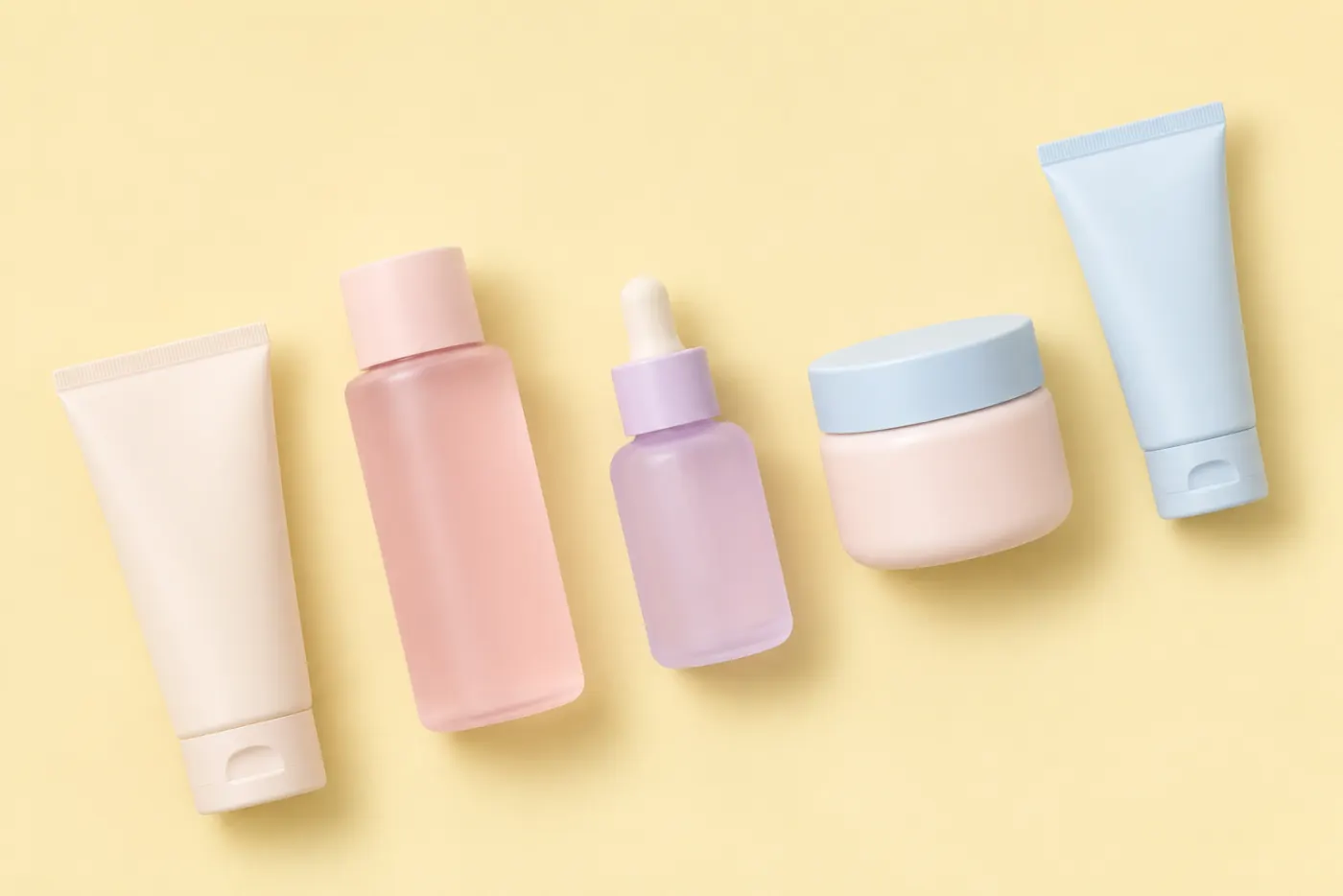
Five skincare products laid out in routine order, from cleanser to sunscreen
Glow UpMix guide
CAN YOU MIX THEM?
Great together
Can you use ceramides and mandelic acid together?

Yes. Ceramides keep the barrier comfortable while mandelic acid gently exfoliates.

Ceramides + Mandelic Acid
Why

Mandelic acid is a gentle AHA that smooths texture and fades marks. Even mild acids can dry skin out, and ceramides replace the lipids that keep the barrier strong. Apply the acid first, then a ceramide moisturizer.

Ceramides + Mandelic Acid
Your plan
  • Night: cleanse, mandelic acid (1 to 2 nights a week to start), then a ceramide moisturizer.
  • Other nights: cleanse and a ceramide moisturizer only.
  • Wear SPF every morning.
Ceramides + Mandelic Acid
What to watch for

If skin feels tight or stings, skip the acid for a week and keep the ceramides.

Ceramides + Mandelic Acid

Yes. Ceramides keep the barrier comfortable while mandelic acid gently exfoliates.

More
Glow UpComparisons
THIS OR THAT
Niacinamide vs Vitamin C

Niacinamide is the easy all-rounder for oil, pores, redness and the skin barrier. Vitamin C is the morning antioxidant for brightness and dark spots.

Niacinamide vs Vitamin C
How they differ
  • Niacinamide is gentle, works at almost any pH and suits nearly every skin type.
  • Vitamin C (as L-ascorbic acid) works best at a low pH, can sting sensitive skin and breaks down in light and air.
  • Vitamin C is best in the morning under SPF. Niacinamide works at any time of day.
THIS OR THAT
Niacinamide

Choose niacinamide if you have oily skin, large-looking pores, redness or a sensitive barrier.

THIS OR THAT
Vitamin C

Choose vitamin C if dullness, dark spots and protection from daily sun damage are your main goals.

Niacinamide vs Vitamin C
Can you use both?

Yes. The old idea that they cancel each other out comes from lab tests with pure chemicals, not from skincare products.

Niacinamide vs Vitamin C

Niacinamide is the easy all-rounder for oil, pores, redness and the skin barrier. Vitamin C is the morning antioxidant for brightness and dark spots. Many people use both.

More
Glow UpMix guide
CAN YOU MIX THEM?
Great together
Can you use copper peptides and peptides together?

Yes. They are gentle, and they can share a night routine.

Copper Peptides + Peptides
Why

Copper peptides support repair, and other peptides send signals that nudge skin toward a firmer, smoother look. They work in different ways and do not clash. Copper peptides are best at night, while other peptides work morning and evening.

Copper Peptides + Peptides
Your plan
  • Morning: cleanse, peptides, moisturizer, SPF.
  • Night: cleanse, copper peptides, then peptides or a peptide moisturizer.
  • Give them 8 to 12 weeks before judging the results.
Copper Peptides + Peptides
What to watch for

Results are subtle and build slowly. Keep copper peptides apart from vitamin C and strong acids.

Copper Peptides + Peptides

Yes. They are gentle, and they can share a night routine.

More
INGREDIENT SPOTLIGHT

Meet Niacinamide.

Evens out oil, softens the look of pores and keeps your barrier happy.

BalanceAM + PMoily & dry
Glow UpRoutines
ROUTINE
4 steps · 3 min
Bump-Friendly

Anyone pregnant, trying to be or breastfeeding who wants to keep caring for their skin without retinoids.

Pregnancy, breastfeeding
Why

No retinoids, only ingredients that are usually considered fine in pregnancy. Azelaic acid helps with breakouts and dark patches, and mineral SPF protects. Check any routine with your doctor.

AM
Morning routine
  1. Gentle cleanse
  2. Hyaluronic Acid
  3. Your moisturizer
  4. Zinc Oxide
PM
Evening routine
  1. Gentle cleanse
  2. Azelaic Acid
  3. Ceramides

Bump-Friendly

No retinoids, only ingredients that are usually considered fine in pregnancy. Azelaic acid helps with breakouts and dark patches, and mineral SPF protects. Check any routine with your doctor.

More
Glow UpMix guide
CAN YOU MIX THEM?
Great together
Can you use centella and PHA together?

Yes. Centella calms skin while PHA gently exfoliates and hydrates.

Centella Asiatica + PHA (Gluconolactone)
Why

PHA (gluconolactone) is the gentlest exfoliating acid, and it smooths and hydrates with almost no sting. Centella calms reactive skin, so together they are a good option for sensitive skin.

Centella Asiatica + PHA (Gluconolactone)
Your plan
  • Night: cleanse, PHA (2 to 3 nights a week), then centella, then moisturizer.
  • Other nights: cleanse, centella, moisturizer.
  • Wear SPF every morning.
Centella Asiatica + PHA (Gluconolactone)
What to watch for

PHA is gentle but still an exfoliant. If skin feels tight, use it less often and let centella and moisturizer carry the routine.

Centella Asiatica + PHA (Gluconolactone)

Yes. Centella calms skin while PHA gently exfoliates and hydrates.

More